Medical Drug Detox Center in New Jersey

Medical Detox in New Jersey for a Safer Start to Recovery

Professional detox services that help you stabilize, regain your strength, and move confidently into treatment.

Professional detox services that help you stabilize, regain your strength, and move confidently into treatment.

Medical detox is often the first level of care for people who are physically dependent on alcohol, opioids, benzodiazepines, prescription drugs, or other substances.

At SOBA New Jersey, we provide medical detox to help our clients become stable enough to transition into the next level of treatment. In addition to providing New Jersey drug detox, our main goal is to help our clients start their addiction recovery safely.

What Is Medical Detox ?

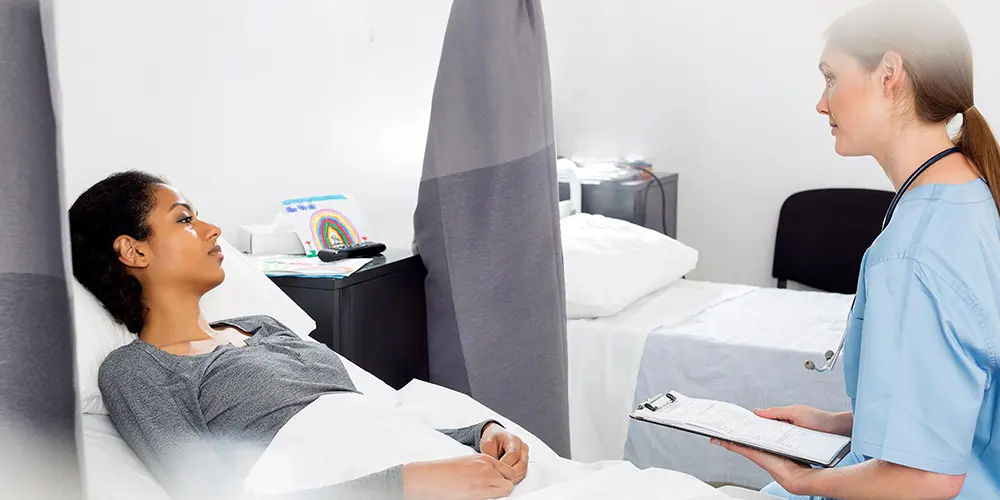
Medical detox is a clinical process where clients receive professional help, support, monitoring, and medical oversight during the acute withdrawal period.[1]

When someone has developed a physical dependence on a substance, stopping use abruptly causes the body’s nervous system to react, which results in withdrawal symptoms. These symptoms can range from mild, such as nausea, sweating, anxiety, and insomnia, to severe, such as tremors, cravings, agitation, high blood pressure, and seizures. Depending on the type of substance being used, other complications can also arise.

But while medical detox addresses stabilization and withdrawal symptom management, it is not intended to address all aspects of substance use disorder.[2] Detox should always be provided as part of a larger continuum of addiction treatment involving therapy, relapse prevention strategies, medication management when indicated, and ongoing care planning.[3]

Person sitting on couch wearing a cream sweater and jeans, looking thoughtful.

Who Benefits the Most from Medical Detox?


Medical detox can be recommended if a client is at risk for dangerous withdrawal symptoms, medical complications, or relapse during initial stabilization. To determine this, a clinical assessment is completed to identify whether detox is required and what level of care would be most beneficial.

Clients who may benefit from medical detox include those experiencing withdrawal from:

Icon

Alcohol

Alcohol, especially those with histories of significant use, seizures, or delirium tremens

Learn More
Icon

Opioids

Opioids, including heroin, fentanyl, oxycodone, hydrocodone, and other prescription opioids

Learn More
Icon

Benzodiazepines

Benzodiazepines, which pose serious risks of withdrawal complications when abruptly stopped

Learn More
Icon

Prescription drugs

Prescription drugs, in cases where physical dependence has developed

Learn More
Icon

Stimulants

Stimulants like cocaine and methamphetamine, which in some cases may bring severe depressive episodes, extreme anxiety, cravings, or concerns about the client’s safety

Learn More
Icon

Multiple substances

Multiple substances, which make withdrawal potentially more unpredictable

Learn More
People with co-occurring disorders, chronic medical conditions, pregnancy, older adults, limited support system at home, or history of relapse during withdrawal may also benefit from detox. The American Society of Addiction Medicine (ASAM) Criteria provide a framework for providers to match people with SUD to appropriate levels of care based on their unique needs, risks, strengths, and support systems.[4]

What to Expect During Medical Detox

Typically, the detox process begins with an assessment by the client’s clinical team, who will ask about the client’s substance use history, previous experiences with withdrawal symptoms, any medical conditions or current medications, co-occurring disorders, such as anxiety, depression, trauma, or mood issues, previous treatment history, and any immediate safety concerns.

This information helps the clinical team build the best withdrawal management strategy. The specific experience a client has during detox depends on the type of substance involved.

During detox, clients may receive:

health icon

Medical monitoring

Medical monitoring to track symptoms, vital signs, hydration, sleep, and safety

meditation icon

Medication management

Medication management when clinically appropriate to reduce withdrawal risks or discomfort

traveler icon

Support for co-occurring disorders

Support for co-occurring disorders, such as anxiety, depression, trauma, or mood instability

Building icon

Case management

Case management to help plan the next level of treatment

education icon

Educationandrelapse prevention support

Education and relapse prevention support to prepare for continuing care

NJ-Drug-&-Alcohol-Rehab-Dedicated-to-Your-Success

Withdrawal from alcohol and benzodiazepines may require close monitoring due to high potential for serious complications. Opioid withdrawal can include severe discomfort, craving, nausea, vomiting, diarrhea, muscle pain, and insomnia. Stimulant withdrawal includes fatigue, depression, sleep changes, irritability, and strong cravings.

Detox for Alcohol, Opioids, Benzodiazepines, and Other Drugs

Substance-related detoxification programs are individually tailored based on how each substance affects the body.

Alcohol detox

Alcohol detox includes symptoms like anxiety, tremors, heavy sweating, difficulty sleeping, nausea, rapid heartbeat, possible seizures, or even delirium tremens if the person has been drinking heavily or for a long time.[5] Due to the dangers associated with withdrawal from alcohol, most people benefit from a medically supervised program if they have been consuming alcohol excessively or over an extended period.

Opioid detox

Opioid detox covers a variety of drugs, including heroin, fentanyl, oxycodone, hydrocodone, morphine, and others. The symptoms a person in withdrawal may experience include nausea, vomiting, diarrhea, muscle pain, yawning, excessive sweating, extreme anxiety, sleep disturbances, and intense cravings.[6] For people experiencing issues related to their use of opioids, medication-assisted treatment (MAT) may be suggested by clinicians when appropriate for their situation

Benzodiazepine detox

Benzodiazepine detox requires careful consideration due to the severity of withdrawal symptoms that can result in seizures. A medical professional may recommend a monitored tapering process instead of stopping the substance abruptly.

Stimulant detox

Stimulant detox, for substances like cocaine and methamphetamine, tends to pose less physical danger than other substances. However, there can still be serious psychological effects. Symptoms like depression, irritability, agitation, anxiety, disrupted sleep patterns, and intense cravings can all contribute to increased risks of relapse or safety concerns.

Prescription drug

Prescription drug detox can vary depending on the type of prescribed medications, dose, and length of time the person was taking the medications, and if other substances are also involved. Before stopping any prescribed medications, a medical evaluation is advised.

Alcohol detox

Alcohol detox includes symptoms like anxiety, tremors, heavy sweating, difficulty sleeping, nausea, rapid heartbeat, possible seizures, or even delirium tremens if the person has been drinking heavily or for a long time.[5] Due to the dangers associated with withdrawal from alcohol, most people benefit from a medically supervised program if they have been consuming alcohol excessively or over an extended period.

Opioid detox

Opioid detox covers a variety of drugs, including heroin, fentanyl, oxycodone, hydrocodone, morphine, and others. The symptoms a person in withdrawal may experience include nausea, vomiting, diarrhea, muscle pain, yawning, excessive sweating, extreme anxiety, sleep disturbances, and intense cravings.[6] For people experiencing issues related to their use of opioids, medication-assisted treatment (MAT) may be suggested by clinicians when appropriate for their situation

Benzodiazepine detox

Benzodiazepine detox requires careful consideration due to the severity of withdrawal symptoms that can result in seizures. A medical professional may recommend a monitored tapering process instead of stopping the substance abruptly.

Stimulant detox

Stimulant detox, for substances like cocaine and methamphetamine, tends to pose less physical danger than other substances. However, there can still be serious psychological effects. Symptoms like depression, irritability, agitation, anxiety, disrupted sleep patterns, and intense cravings can all contribute to increased risks of relapse or safety concerns.

Prescription drug

Prescription drug detox can vary depending on the type of prescribed medications, dose, and length of time the person was taking the medications, and if other substances are also involved. Before stopping any prescribed medications, a medical evaluation is advised.

Alcohol detox

Alcohol detox includes symptoms like anxiety, tremors, heavy sweating, difficulty sleeping, nausea, rapid heartbeat, possible seizures, or even delirium tremens if the person has been drinking heavily or for a long time.[5] Due to the dangers associated with withdrawal from alcohol, most people benefit from a medically supervised program if they have been consuming alcohol excessively or over an extended period.

Opioid detox

Opioid detox covers a variety of drugs, including heroin, fentanyl, oxycodone, hydrocodone, morphine, and others. The symptoms a person in withdrawal may experience include nausea, vomiting, diarrhea, muscle pain, yawning, excessive sweating, extreme anxiety, sleep disturbances, and intense cravings.[6] For people experiencing issues related to their use of opioids, medication-assisted treatment (MAT) may be suggested by clinicians when appropriate for their situation

Benzodiazepine detox

Benzodiazepine detox requires careful consideration due to the severity of withdrawal symptoms that can result in seizures. A medical professional may recommend a monitored tapering process instead of stopping the substance abruptly.

Stimulant detox

Stimulant detox, for substances like cocaine and methamphetamine, tends to pose less physical danger than other substances. However, there can still be serious psychological effects. Symptoms like depression, irritability, agitation, anxiety, disrupted sleep patterns, and intense cravings can all contribute to increased risks of relapse or safety concerns.

Prescription drug

Prescription drug detox can vary depending on the type of prescribed medications, dose, and length of time the person was taking the medications, and if other substances are also involved. Before stopping any prescribed medications, a medical evaluation is advised.

cause organ damage, a heart attack, and other serious issues
Opiate Detox
Benzodiazepine Treatment and Rehab in New Jersey
Stimulant-Rehab
Prescription Drugs addiction treatment
cause organ damage, a heart attack, and other serious issues
Opiate Detox
Benzodiazepine Treatment and Rehab in New Jersey
Stimulant-Rehab
Prescription Drugs addiction treatment
cause organ damage, a heart attack, and other serious issues
Opiate Detox
Benzodiazepine Treatment and Rehab in New Jersey
Stimulant-Rehab
Prescription Drugs addiction treatment

Medical Detox and Medication-Assisted Treatment

Medication-assisted treatment (MAT) is an essential component of treatment for certain clients, particularly those diagnosed with opioid use disorder (OUD) or alcohol use disorder (AUD).[7]

MAT can significantly reduce cravings and withdrawal symptoms when administered under medical supervision. When the client is stable enough to participate in MAT, additional considerations about medication options may be explored based on the client’s specific needs and clinical history. Any decision to use medication should always be made by a qualified medical professional.

While MAT is beneficial when used appropriately alongside other forms of treatment and recovery support services, it is not a substitute for treatment. When MAT is clinically appropriate, it works best as one part of a comprehensive treatment plan that incorporates elements such as individual therapy, group therapy, family therapy, cognitive behavioral therapy (CBT), dialectical behavior therapy (DBT), trauma-informed care, and relapse prevention.

Person wearing glasses and yellow blouse, smiling while sitting.

What Happens After Medical Detox?

Medical detox is the beginning of treatment, not the finish line. Once withdrawal symptoms have stabilized, the focus shifts to continuing care at the most suitable level. Without further treatment, a person remains at high risk of returning to substance use, primarily due to strong cravings caused by unaddressed traumatic experiences or unresolved mental health issues.

Depending on the person’s level of functioning after medical detox and their identified needs, a recovery plan may consist of:

Residential treatment

Residential treatment that provides 24-hour-a-day care and support for people requiring a structured environment

Residential treatment

Residential treatment that provides 24-hour-a-day care and support for people requiring a structured environment

Partial hospitalization program (PHP)

Partial hospitalization program (PHP), involving full-day treatment with no overnight stay

Partial hospitalization program (PHP)

Partial hospitalization program (PHP), involving full-day treatment with no overnight stay

Intensive Outpatient Program (IOP)

Intensive Outpatient Program (IOP), offering structured therapy and flexible scheduling

Intensive Outpatient Program (IOP)

Intensive Outpatient Program (IOP), offering structured therapy and flexible scheduling

Outpatient Services

Outpatient Services, providing continued counseling and monitoring for relapse prevention and recovery maintenance

Outpatient Services

Outpatient Services, providing continued counseling and monitoring for relapse prevention and recovery maintenance

Sober living homes

Sober living homes, offering post-treatment housing with a structure and a supportive environment

Sober living homes

Sober living homes, offering post-treatment housing with a structure and a supportive environment

Aftercare planning

Aftercare planning, for building an accountability network for long-term support

Aftercare planning

Aftercare planning, for building an accountability network for long-term support

Residential treatment

Residential treatment that provides 24-hour-a-day care and support for people requiring a structured environment

Residential treatment

Residential treatment that provides 24-hour-a-day care and support for people requiring a structured environment

Partial hospitalization program (PHP)

Partial hospitalization program (PHP), involving full-day treatment with no overnight stay

Partial hospitalization program (PHP)

Partial hospitalization program (PHP), involving full-day treatment with no overnight stay

Intensive Outpatient Program (IOP)

Intensive Outpatient Program (IOP), offering structured therapy and flexible scheduling

Intensive Outpatient Program (IOP)

Intensive Outpatient Program (IOP), offering structured therapy and flexible scheduling

Outpatient Services

Outpatient Services, providing continued counseling and monitoring for relapse prevention and recovery maintenance

Outpatient Services

Outpatient Services, providing continued counseling and monitoring for relapse prevention and recovery maintenance

Sober living homes

Sober living homes, offering post-treatment housing with a structure and a supportive environment

Sober living homes

Sober living homes, offering post-treatment housing with a structure and a supportive environment

Aftercare planning

Aftercare planning, for building an accountability network for long-term support

Aftercare planning

Aftercare planning, for building an accountability network for long-term support

Residential treatment

Residential treatment that provides 24-hour-a-day care and support for people requiring a structured environment

Residential treatment

Residential treatment that provides 24-hour-a-day care and support for people requiring a structured environment

Partial hospitalization program (PHP)

Partial hospitalization program (PHP), involving full-day treatment with no overnight stay

Partial hospitalization program (PHP)

Partial hospitalization program (PHP), involving full-day treatment with no overnight stay

Intensive Outpatient Program (IOP)

Intensive Outpatient Program (IOP), offering structured therapy and flexible scheduling

Intensive Outpatient Program (IOP)

Intensive Outpatient Program (IOP), offering structured therapy and flexible scheduling

Outpatient Services

Outpatient Services, providing continued counseling and monitoring for relapse prevention and recovery maintenance

Outpatient Services

Outpatient Services, providing continued counseling and monitoring for relapse prevention and recovery maintenance

Sober living homes

Sober living homes, offering post-treatment housing with a structure and a supportive environment

Sober living homes

Sober living homes, offering post-treatment housing with a structure and a supportive environment

Aftercare planning

Aftercare planning, for building an accountability network for long-term support

Aftercare planning

Aftercare planning, for building an accountability network for long-term support

Explore Our New Jersey Detox Facility

Designed for Your Comfort

Seeking Safety Therapy Sessions in New Jersey
Lobby with gray couches, yellow pillows, abstract art, Eiffel Tower photo, and wooden floor in New Jersey detox center
Modern room with large windows, plants, yoga mats, blue walls, and outdoor city view from New Jersey detox center
Seeking Safety Therapy Sessions in New Jersey
Lobby with gray couches, yellow pillows, abstract art, Eiffel Tower photo, and wooden floor in New Jersey detox center
Modern room with large windows, plants, yoga mats, blue walls, and outdoor city view from New Jersey detox center
Seeking Safety Therapy Sessions in New Jersey
Lobby with gray couches, yellow pillows, abstract art, Eiffel Tower photo, and wooden floor in New Jersey detox center
Modern room with large windows, plants, yoga mats, blue walls, and outdoor city view from New Jersey detox center

Medical Detox for Co-Occurring Disorders

People seeking medical detox frequently suffer from mental health conditions such as anxiety, depression, trauma, mood instability, or other mental health problems in addition to a substance use disorder.[9] In many cases, these mental health problems can intensify once the withdrawal period begins. Withdrawal symptoms can also impact your ability to stay abstinent and affect sleep and motivation, which increases the potential for relapse.

At SOBA New Jersey, we give our patients a comprehensive treatment plan by providing medical detoxification as the first step. Once they begin to physically recover, they can then move into further stages of treatment, which include addressing any dual diagnosis conditions.

Daily Reading
We-Provide-You-With-Free-Help-No-Matter-What

Why Choose Medical Detox As The First Stage of Recovery?

Many people attempt to face withdrawal on their own before receiving treatment. Although this may appear to be the fastest route towards recovery, there is always the risk associated with attempting to withdraw from certain substances. People going through withdrawal can experience worsening symptoms rapidly or have increased cravings for drugs, increasing the potential for relapse if proper support systems are not put into place.

Medical detoxification provides clients with:

  • A way to establish stability before engaging in deeper levels of therapy
  • Reduced potential for serious harm resulting from withdrawal symptoms
  • Medication management when necessary
  • Increased clarity and improved physical condition to allow for further treatment options
  • Ability to transition directly into residential treatment programs, partial hospitalization programs (PHP), intensive outpatient programs (IOP), or outpatient service options
  • An early relapse prevention and aftercare plan

Detoxification allows for a smoother transition into further treatment because the client is able to focus on the therapeutic aspects of their recovery instead of managing the intense physical symptoms of withdrawal.

Real Stories. Real Recovery.

Hear From Our Recovering Clients

quote

Absolutely the best place to build a solid foundation for my recovery.

Amazing & friendly community. Can’t say enough about the staff, EVERY tech, clinician & nursing are energetic, helpful, generous & welcoming. GROUPS are very educational. Delicious food made by talented chefs. If you’re struggling there is no better place to recover.

StarStarStarStarStar
Tracy Ferrara
quote

I went to SOBA’s residential and sober living program and it really helped me on my journey with recovery.

The facility was great and so were the people. Mike C in particular was so great, he was kind, compassionate and welcoming and he also kept it real with me which was exactly what I needed. Couldn’t recommend SOBA enough.

StarStarStarStarStar
Kayleigh Wharton
quote

This treatment facility is like no other, its extremely clean, very well organized, and the program they run attends to the clients needs.

At SOBA, its personal, and you are looked at as individuals rather than just a number. All the staff are amazing at what they do and take the extra time to make you feel at home. The techs that work here are top tier, and were the reason why I felt so at ease and hopeful for my future. Thank you!

StarStarStarStarStar
John Marone
quote

SOBA saved my life and brought the best out of me

The entire staff is amazing and they were all truly there for me at all times. They put you first and I am beyond grateful for the help and support I received. Thank you all for helping me rediscover myself. I couldn’t have done this without SOBA. Big Shoutout to Mike C for going out of his way to make the unthinkable happen for us all and putting us first.

StarStarStarStarStar
Michael Lamboy
quote

The staff and food were standouts!

Special thanks to everyone there especially Mike, Scott, Sid, James, Deal, Passion, Roshida, Jess, Augie, Andre, Nelson, Amy to name a few. Hopefully will never have to go back but if I do I would choose SOBA!

StarStarStarStarStar
Tom Pohmer
quote

SOBA NJ truly changed my life.

The techs and clinicians made me feel welcome from day one and helped me find hope again. Everyone there genuinely cares and goes above and beyond to support your recovery. I’m so grateful for everything they’ve done for me — I wouldn’t be where I am today without them. Big shout out to Mike C, Scott, Hov, Desi, Phil, Sam, and the rest of the team !

StarStarStarStarStar
David Vazquez
quote

When I first started going to SOBA to help with my drug addiction.

I knew right away that this place would change my life. SOBA has helped me in so many ways, and I am so thankful for the group of people I’ve met who are so kind and sweet to me and I love that they show that they care for one another. I highly recommend going to SOBA it will CHANGE YOUR LIFE

StarStarStarStarStar
Ariel Meza
quote

I’m forever grateful to you all.

“Entering recovery was one of the hardest decisions I have ever made. It was also one of the smartest, and one I wish that I had made 20 years ago. Last week I reached my 10-month clean date. I’d like to express my gratitude to the staff members who helped me along the way.”

StarStarStarStarStar
Amanda S.
quote

I will forever be grateful to SOBA.

The staff is truly amazing. They made the difference there and are the best people I have met they truly care about the people in the facility. Everyone does such an amazing job to help you to get to the other side. I will never forget that thank you!!!

StarStarStarStarStar
Erica Kane
quote

They SAVED MY LIFE. They can save yours.

“I came to them totally broken. The staff there helped me get my mental health straightened out, all while getting me off any and all drugs for the 1st time in 24 years. I’m able to say that I now have 152 days clean and sober.”

StarStarStarStarStar
Jade B.
quote

Words cannot even describe what SOBA has done for me.

“My life has made a 360 degree turn around for the best life I’ve ever experienced. I credit all the staff there. I am forever grateful to all of the SOBA staff and patients.”

StarStarStarStarStar
Gary P.
quote

SOBA rehab is a dedicated facility that helps you with addiction.

It’s program gave me the tools to help me in my recovery. The staff was amazing,and supportive. I was able to continue my treatment past detox on their campus next door. Housing was comfortable and once again the staff helped me transition in my program. They continue to help me in my process in recovery and I couldn’t be more thankful.

StarStarStarStarStar
Alexis Habiger

A Safer First Step Toward Recovery 

If you or someone you love is concerned about possible reactions from withdrawal, we are here to help. At SOBA New Jersey, we offer medical detox as part of a full continuum of care for people struggling with addiction and related mental health concerns.
Reach out today. Our admissions team is standing by to answer your questions and help you take the first step on your road to recovery.

We Work Hard To Demonstrate The Soba Difference

Don’t See Your Insurance? Call Us to Hear the Full List of Insurances (888) 229-7989

Anthem logo
Aetna logo in purple lowercase letters.
BlueCross BlueShield logo
Beacon health options logo with blue and gray text, circular blue design.
AmeriHealth logo with blue text and red stripes above.
CareFirst logo
Horizon Blue Cross Blue Shield logo, blue text and symbols on white background.
umr logo
Cigna logo with blue text and green tree with orange circle.

Get a Confidential Callback Now

To learn more about our New Jersey drug and alcohol treatment, contact us online or dial (888) 229-7989. We are available 24/7 to assist you. If you would like an immediate callback, fill out the form here.

Frequently Asked Questions About Drug Alcohol Detox in New Jersey

01

Is medical detox the same as rehab?

No. Medical detox is the first phase of treatment focusing on stabilization through withdrawal management and physical comfort. Rehabilitation refers to all phases of treatment after detox, where therapy, relapse prevention strategies, coping skills, and continued long-term recovery planning take place.

02

How long does medical detox take?

The length of time required for detoxification varies based on the type of substance being used, the quantity and duration of substance use, the person’s overall medical history, and severity of withdrawal symptoms. Some people may reach physical stabilization in a few days while others may need a longer period of monitoring and support.

03

What substances may require medical detox?

Typically, substances requiring medical detoxification include alcohol, opioids, benzodiazepines, prescription medications, and, in some cases involving cocaine, methamphetamine, or multiple substances. Only a licensed professional can assess whether medical detox is recommended for each situation.

04

Is detox from opioids dangerous?

Opioid withdrawal is often not life-threatening for otherwise healthy adults, but it can still be medically risky because of dehydration, severe symptoms, cravings, relapse, and overdose risk after tolerance decreases.

05

Can medication be used during detox?

Yes, medication may be used when clinically appropriate. Depending on the substance and symptoms, medical professionals may use medications to manage withdrawal, reduce cravings, support sleep, or treat co-occurring mental health symptoms.

06

What happens after detox?

After detox, clients may step into residential treatment, PHP, IOP, outpatient care, sober living, or aftercare. The goal is to continue treatment so recovery is supported beyond the withdrawal management stage.

Sources

[1] [2] [3] Substance Abuse and Mental Health Services Administration. (2006). Detoxification and substance abuse treatment: Treatment Improvement Protocol (TIP) Series, No. 45. https://ntcrc.org/wp-content/uploads/2022/01/TIP_45_Detoxification_and_Substance_Abuse_Treatment.pdf

[4] American Society of Addiction Medicine. (n.d.). The ASAM Criteria. https://www.asam.org/asam-criteria

[5] MedlinePlus. (2024). Alcohol withdrawal. U.S. National Library of Medicine. https://medlineplus.gov/ency/article/000764.htm 

[6] [7] Substance Abuse and Mental Health Services Administration. (2021). TIP 63: Medications for opioid use disorder. https://library.samhsa.gov/sites/default/files/pep21-02-01-002.pdf

[8] National Institute on Drug Abuse. (2020). Treatment and recovery. https://nida.nih.gov/publications/drugs-brains-behavior-science-addiction/treatment-recovery

[9] Substance Abuse and Mental Health Services Administration. (2020). Substance use disorder treatment for people with co-occurring disorders. https://library.samhsa.gov/sites/default/files/pep20-06-04-006.pdf