Outpatient Treatment Services in New Jersey

An Outpatient Program That Supports Life After Treatment

Flexible treatment that helps you apply recovery skills while returning to work, school, family, and everyday life.

Flexible treatment that helps you apply recovery skills while returning to work, school, family, and everyday life.

Outpatient treatment is a more independent form of treatment than the residential program, partial hospitalization program (PHP), and intensive outpatient program (IOP) levels of care.[1] Outpatient programs offer clients the ability to continue receiving therapy services and developing relapse prevention strategies while taking on increasing responsibility for their day-to-day lives.

At SOBA, outpatient treatment is suitable for those who have completed a higher level of care, or for people whose symptoms, home environment, and current level of recovery stability indicate that a lower intensity treatment level would be helpful. In addition to remaining abstinent from substances, the focus of this program will also emphasize maintaining skills learned in treatment, including managing stress, rebuilding routine, holding yourself accountable, and addressing emotional and behavioral patterns associated with substance use.

What Is an Outpatient Program?

An outpatient program is a non-residential level of care that provides clients with the opportunity to attend regularly scheduled treatment sessions while living at home, in a sober living residence, or other supportive environment.

Outpatient care differs significantly from inpatient or residential treatment in that clients do not reside at the treatment center. Compared to PHP or IOP, outpatient treatment also requires less of a time commitment and is often provided after a client has established a solid foundation in their recovery.

Components of an outpatient program may include:

  • Individual therapy
  • Group counseling
  • Family support
  • Medication management when clinically indicated
  • Relapse prevention planning
  • Case management
  • Aftercare planning

Clients’ schedules are developed based on their respective treatment plans, clinical progress, and evolving clinical needs.

According to the National Institute on Drug Abuse (NIDA), addiction treatment should be tailored to meet each patient’s unique circumstances and needs, and that structure and intensity should be adjusted to match a person’s changing needs.[2] Outpatient programs offer this adjusted support as clients progress through their recovery.


Who Is It Best Suited For?

Outpatient care may be particularly well-suited for people who are currently stable enough to function outside of a higher level of care, but would still benefit from ongoing therapy and accountability. People entering outpatient care may be transitioning from detoxification, residential programs, partial hospitalization programs, or intensive outpatient programs

Some examples of potential candidates for outpatient care include those who:

  • Have completed a higher level of care and want continued support
  • Are managing cravings or triggering events independently
  • Need ongoing therapy for substance use or mental health issues
  • Have a stable living arrangement or sober living situation
  • Need continued relapse prevention and aftercare planning
  • Are returning to work, school, family, home, and want continued support

Ultimately, a comprehensive clinical evaluation will help determine whether the outpatient care is best suited for your specific needs. If you are experiencing severe withdrawal, relapse, psychiatric instability, or have unstable housing, it may be necessary to consider a higher level of care. A clinical evaluation using the American Society of Addiction Medicine (ASAM) Criteria will allow treatment professionals to appropriately match patients with available levels of care based on their risks, strengths, needs, and recovery environment.[3]

What to Expect

Outpatient treatment is designed as an alternative to the more restrictive settings of PHP and IOP. While outpatient treatment provides additional support, it does not serve as a replacement for a higher level of care if the client requires daily clinical support. Rather, outpatient treatment was designed to enable clients to build on previous successes achieved through prior treatment, continue momentum, and rebuild independence.

Potential components of an outpatient treatment plan include:

  • Individual therapy to continue addressing triggers, emotions, relationships, and recovery goals
  • Group counseling to enhance peer connection and accountability
  • Family support to improve communication and enhance the home recovery environment
  • Medication management as clinically indicated for substance use or mental health symptoms
  • Relapse prevention planning to recognize early warning signs and create practical response plans
  • Case management to support follow-up care, referrals, and life stability needs

Some outpatient sessions will also involve exploring how clients are applying recovery skills in other areas of their lives, such as returning to work, repairing family relationships, attending recovery meetings, or managing stress, to provide additional support.

Get a Confidential Callback Now

To learn more about our New Jersey drug and alcohol treatment, contact us online or dial (888) 229-7989. We are available 24/7 to assist you. If you would like an immediate callback, fill out the form here.

Real Stories. Real Recovery.

Hear From Our Recovering Clients

quote

Absolutely the best place to build a solid foundation for my recovery.

Amazing & friendly community. Can’t say enough about the staff, EVERY tech, clinician & nursing are energetic, helpful, generous & welcoming. GROUPS are very educational. Delicious food made by talented chefs. If you’re struggling there is no better place to recover.

StarStarStarStarStar
Tracy Ferrara
quote

I went to SOBA’s residential and sober living program and it really helped me on my journey with recovery.

The facility was great and so were the people. Mike C in particular was so great, he was kind, compassionate and welcoming and he also kept it real with me which was exactly what I needed. Couldn’t recommend SOBA enough.

StarStarStarStarStar
Kayleigh Wharton
quote

This treatment facility is like no other, its extremely clean, very well organized, and the program they run attends to the clients needs.

At SOBA, its personal, and you are looked at as individuals rather than just a number. All the staff are amazing at what they do and take the extra time to make you feel at home. The techs that work here are top tier, and were the reason why I felt so at ease and hopeful for my future. Thank you!

StarStarStarStarStar
John Marone
quote

SOBA saved my life and brought the best out of me

The entire staff is amazing and they were all truly there for me at all times. They put you first and I am beyond grateful for the help and support I received. Thank you all for helping me rediscover myself. I couldn’t have done this without SOBA. Big Shoutout to Mike C for going out of his way to make the unthinkable happen for us all and putting us first.

StarStarStarStarStar
Michael Lamboy
quote

The staff and food were standouts!

Special thanks to everyone there especially Mike, Scott, Sid, James, Deal, Passion, Roshida, Jess, Augie, Andre, Nelson, Amy to name a few. Hopefully will never have to go back but if I do I would choose SOBA!

StarStarStarStarStar
Tom Pohmer
quote

SOBA NJ truly changed my life.

The techs and clinicians made me feel welcome from day one and helped me find hope again. Everyone there genuinely cares and goes above and beyond to support your recovery. I’m so grateful for everything they’ve done for me — I wouldn’t be where I am today without them. Big shout out to Mike C, Scott, Hov, Desi, Phil, Sam, and the rest of the team !

StarStarStarStarStar
David Vazquez
quote

When I first started going to SOBA to help with my drug addiction.

I knew right away that this place would change my life. SOBA has helped me in so many ways, and I am so thankful for the group of people I’ve met who are so kind and sweet to me and I love that they show that they care for one another. I highly recommend going to SOBA it will CHANGE YOUR LIFE

StarStarStarStarStar
Ariel Meza
quote

I’m forever grateful to you all.

“Entering recovery was one of the hardest decisions I have ever made. It was also one of the smartest, and one I wish that I had made 20 years ago. Last week I reached my 10-month clean date. I’d like to express my gratitude to the staff members who helped me along the way.”

StarStarStarStarStar
Amanda S.
quote

I will forever be grateful to SOBA.

The staff is truly amazing. They made the difference there and are the best people I have met they truly care about the people in the facility. Everyone does such an amazing job to help you to get to the other side. I will never forget that thank you!!!

StarStarStarStarStar
Erica Kane
quote

They SAVED MY LIFE. They can save yours.

“I came to them totally broken. The staff there helped me get my mental health straightened out, all while getting me off any and all drugs for the 1st time in 24 years. I’m able to say that I now have 152 days clean and sober.”

StarStarStarStarStar
Jade B.
quote

Words cannot even describe what SOBA has done for me.

“My life has made a 360 degree turn around for the best life I’ve ever experienced. I credit all the staff there. I am forever grateful to all of the SOBA staff and patients.”

StarStarStarStarStar
Gary P.
quote

SOBA rehab is a dedicated facility that helps you with addiction.

It’s program gave me the tools to help me in my recovery. The staff was amazing,and supportive. I was able to continue my treatment past detox on their campus next door. Housing was comfortable and once again the staff helped me transition in my program. They continue to help me in my process in recovery and I couldn’t be more thankful.

StarStarStarStarStar
Alexis Habiger

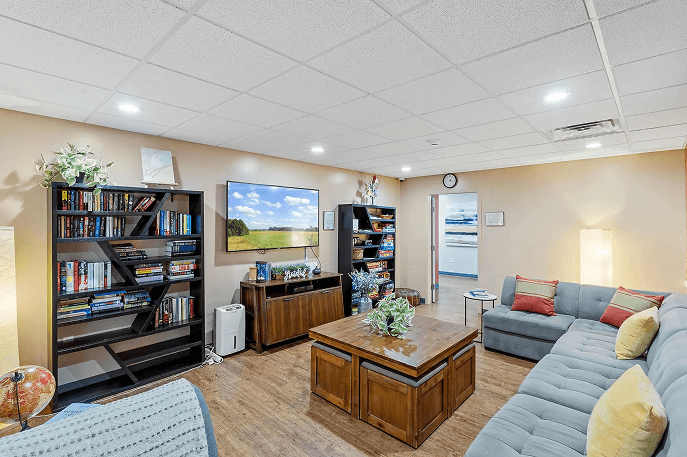
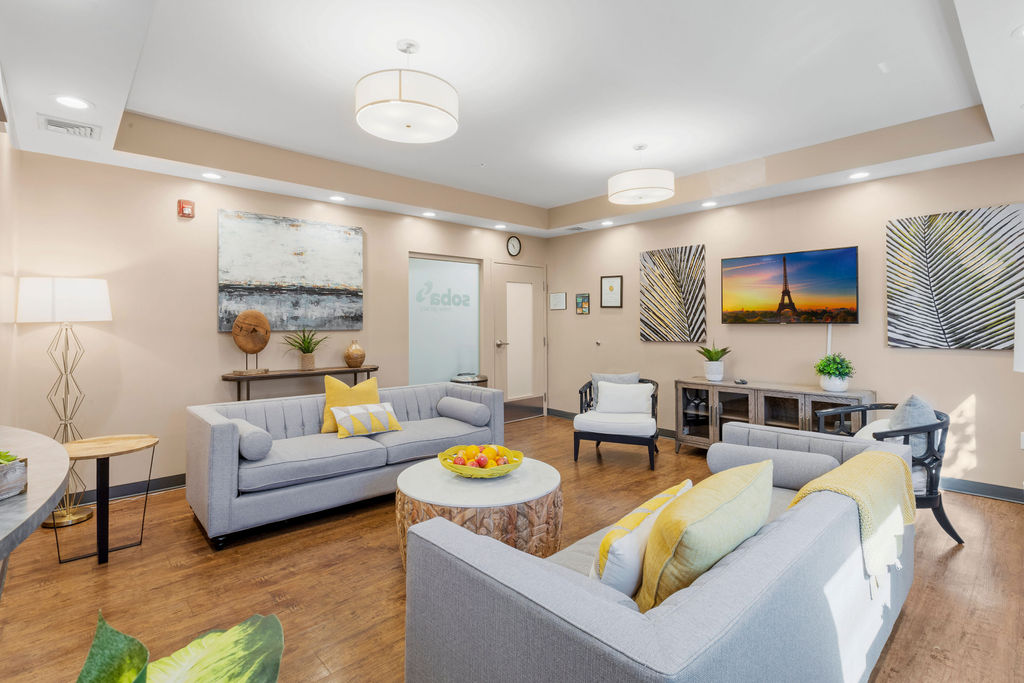
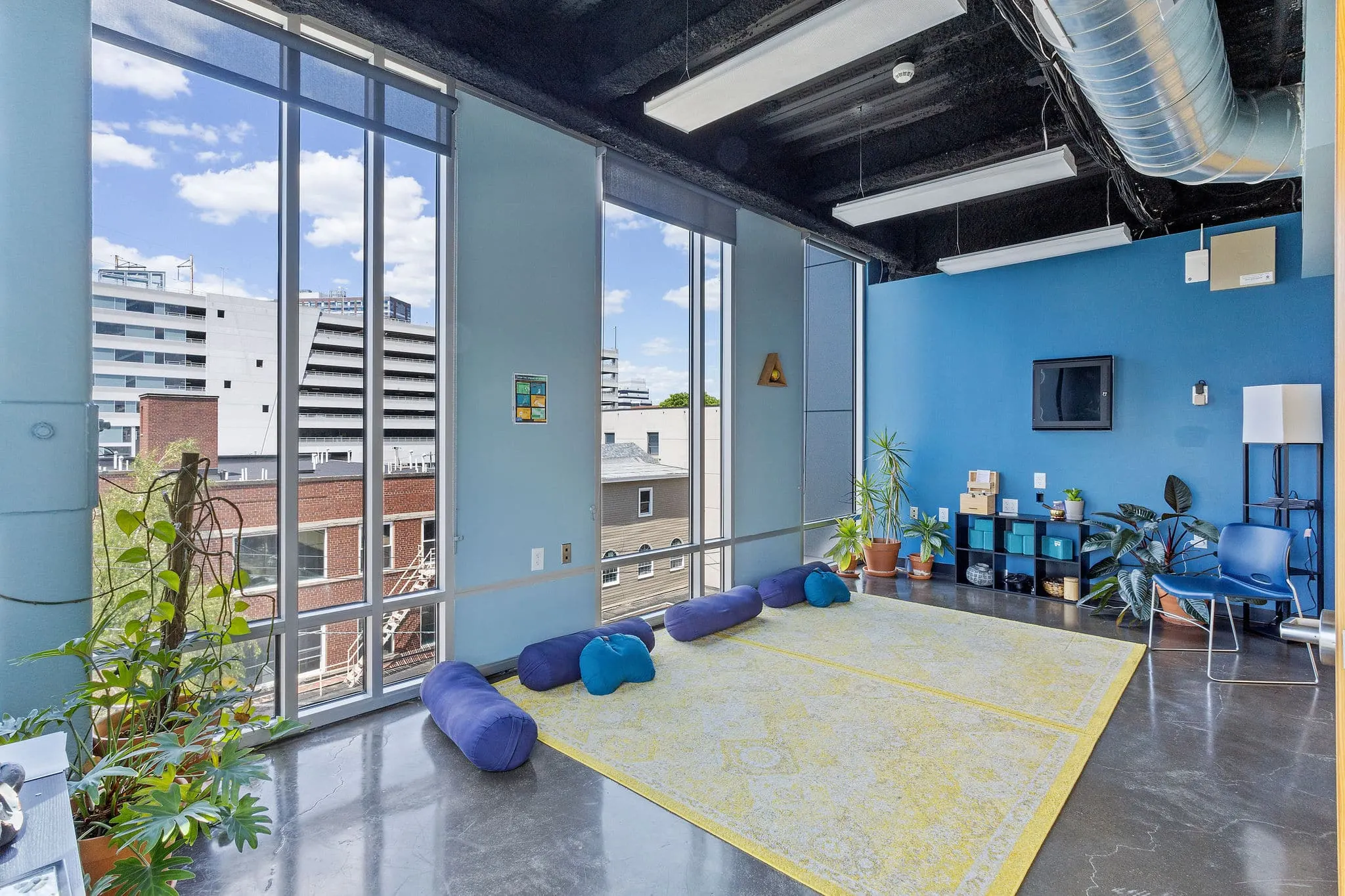
Explore Our New Jersey Detox Facility

Designed for Your Comfort

Seeking Safety Therapy Sessions in New Jersey
Lobby with gray couches, yellow pillows, abstract art, Eiffel Tower photo, and wooden floor in New Jersey detox center
Modern room with large windows, plants, yoga mats, blue walls, and outdoor city view from New Jersey detox center
Seeking Safety Therapy Sessions in New Jersey
Lobby with gray couches, yellow pillows, abstract art, Eiffel Tower photo, and wooden floor in New Jersey detox center
Modern room with large windows, plants, yoga mats, blue walls, and outdoor city view from New Jersey detox center
Seeking Safety Therapy Sessions in New Jersey
Lobby with gray couches, yellow pillows, abstract art, Eiffel Tower photo, and wooden floor in New Jersey detox center
Modern room with large windows, plants, yoga mats, blue walls, and outdoor city view from New Jersey detox center

How Outpatient Care Supports Long-Term Recovery

Long-term recovery doesn’t end with detox, residential treatment, partial hospitalization program (PHP), or intensive outpatient program (IOP). Many people continue to need support as they transition back to day-to-day activities. Outpatient care is designed to serve as a bridge between structured treatment and independent recovery.

Outpatient care can provide long-term support for recovery by helping clients:

  • Stay accountable after completing higher levels of care
  • Continue to manage underlying symptoms of anxiety, depression, or trauma
  • Identify early warning signs of relapse
  • Develop healthier habits surrounding work, school, family, sleep, and overall well-being
  • Practice coping skills under real-world stressors
  • Strengthen sober support through therapy, community, and aftercare

Effective treatment addresses the whole person’s needs; it is not limited to treatment of the drug problem alone. Outpatient care meets this standard by supporting clients in continuing to develop the practical, emotional, social, and behavioral aspects of their recovery.

Outpatient Treatment for Co-Occurring Disorders

Many people in recovery for addiction are also managing mental health symptoms such as anxiety, depression, trauma-related distress, mood swings, or chronic stress. If these mental health issues are interrelated with their substance use, continued mental health support may be necessary to prevent relapse and improve their overall quality of life.

The Substance Abuse and Mental Health Services Administration (SAMHSA) recommends the use of integrated care for people experiencing both substance use and mental disorders, including conducting assessments, creating treatment plans, and coordinating services that address both disorders simultaneously.[4] In outpatient care, this could include individual therapy, medication management, developing coping skills, family involvement, and continued tracking of symptoms. Clients can become aware of how their mental health affects their cravings, decision-making process, relationships, and daily routine. Clients can also learn practical tools for managing emotions, reducing stress, communicating effectively, and maintaining their recovery.

Heroin rehab center in New Jersey
Two people holding hands, one in a dark sweater, the other in a light sweater, on a white table.

What Happens After Outpatient Treatment?

Outpatient treatment typically continues as long as it remains helpful to the client, with no set timeline.

Clients can eventually reduce the number of sessions per week and begin attending community-based therapy. They also may continue taking medication, continue to attend recovery groups such as Alcoholics Anonymous (AA) or Narcotics Anonymous (NA), receive support from their own social network, and become involved in alumni programs, which can provide ongoing support during the early stages of recovery.

A strong aftercare plan may include continued therapy, sober living support, family involvement, relapse prevention strategies, medical follow-up, support groups, and emergency contacts for moments of crisis. For many clients, outpatient care becomes the final structured step before more independent recovery.

The goal of outpatient treatment is not to rush someone out of treatment; rather, its purpose is to help the patient develop sufficient confidence, stability, and access to resources to enable them to continue making positive strides toward continued recovery.

We Work Hard To Demonstrate The Soba Difference

Don’t See Your Insurance? Call Us to Hear the Full List of Insurances (888) 229-7989

Anthem logo
Aetna logo in purple lowercase letters.
BlueCross BlueShield logo
Beacon health options logo with blue and gray text, circular blue design.
AmeriHealth logo with blue text and red stripes above.
CareFirst logo
Horizon Blue Cross Blue Shield logo, blue text and symbols on white background.
umr logo
Cigna logo with blue text and green tree with orange circle.

Continue Recovery With Ongoing Care

Outpatient treatment can help you or your loved one stay connected to support while building a more independent recovery.

If this is where you are in your recovery journey and you need support, then we can help. SOBA New Jersey offers a full continuum of addiction treatment and mental health support. Reach out to our team today. We can get the conversation started, answer your questions, and help you determine if SOBA is right for you.

Frequently Asked Questions About Outpatient Treatment

01

Is outpatient treatment the same as IOP?

No. Outpatient treatment is typically less intensive than an intensive outpatient program. IOP usually includes more frequent weekly programming, while outpatient care offers continued support with more flexibility.

02

Who is outpatient treatment best for?

Participants in outpatient treatment are likely better suited if they have no serious medical issues, are residing in a supportive living arrangement, and want to continue rebuilding independence while continuing therapy, relapse prevention, and other aspects of recovery planning.

03

Can outpatient treatment be used after residential care?

Yes. Many people use outpatient treatment as a transitional phase after a residential program, partial hospitalization program (PHP), or an intensive outpatient program (IOP). This type of treatment allows the person to continue progressing toward recovery while still maintaining their daily responsibilities.

04

What services are included in outpatient care?

Services available in outpatient treatment typically include individual therapy, group counseling, family support, medication management, relapse prevention planning, case management, and post-treatment support.

05

Can outpatient treatment help with mental health?

Yes. People who are managing substance use and co-occurring mental health conditions like anxiety, depression, trauma, or mood disorders can find support in addressing these issues through outpatient treatment.

06

How long does outpatient treatment last?

The length of time someone participates in outpatient treatment can vary based on several factors, including their progress, whether they are experiencing active symptoms, what goals they wish to achieve, and how much support they have.

Sources

[1] Substance Abuse and Mental Health Services Administration. (2014). What is substance abuse treatment? A booklet for families. https://library.samhsa.gov/sites/default/files/sma14-4126.pdf 

[2] [3] National Institute on Drug Abuse. (2014). Principles of drug addiction treatment: A research-based guide (3rd ed.). National Institutes of Health. https://nida.nih.gov/sites/default/files/podat-3rdEd-508.pdf

[3] American Society of Addiction Medicine. (n.d.). The ASAM Criteria. https://www.asam.org/asam-criteria/

[4] Substance Abuse and Mental Health Services Administration. (2020). Substance use disorder treatment for people with co-occurring disorders. https://library.samhsa.gov/sites/default/files/pep20-06-04-006.pdf